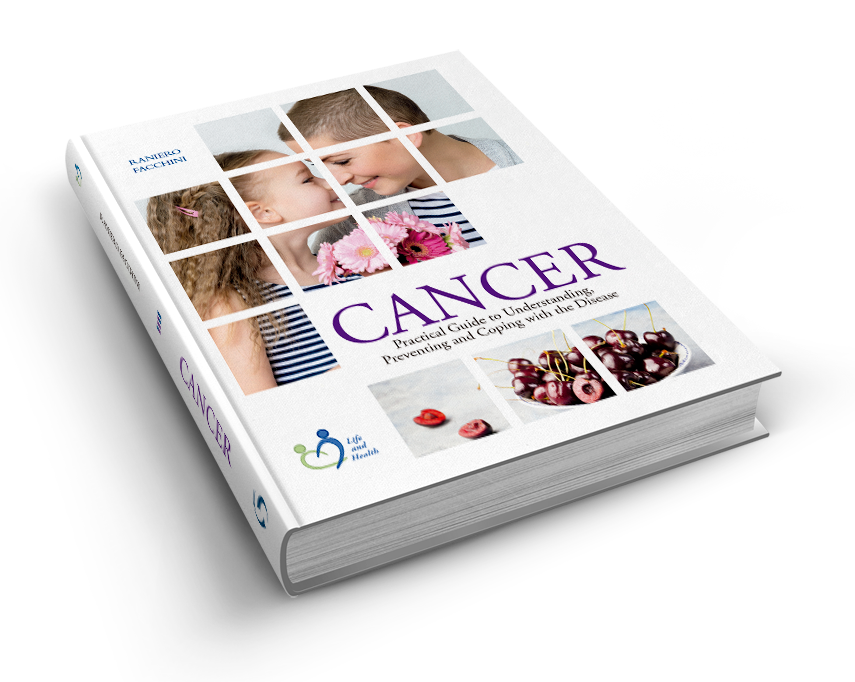
Cancer is a practical guide to understanding, preventing and coping with the disease by Dr. Raniero Facchini. It explains the most common risk factors, the lifestyle choices that measurably reduce them, the warning signs worth acting on, and what a diagnosis actually means for the person and the household around them.
What’s inside Cancer
Most cancer writing is either clinical or frightened. This is neither. It starts from the fact that a large share of cancers are linked to known, avoidable risk factors, and works through what those are and what changing them achieves.
The second half is about living with the disease — recognising early signs, understanding a diagnosis, supporting treatment through nutrition and lifestyle, and coping as a family. It is written in the encouraging, plain style Safeliz’s health titles are known for.
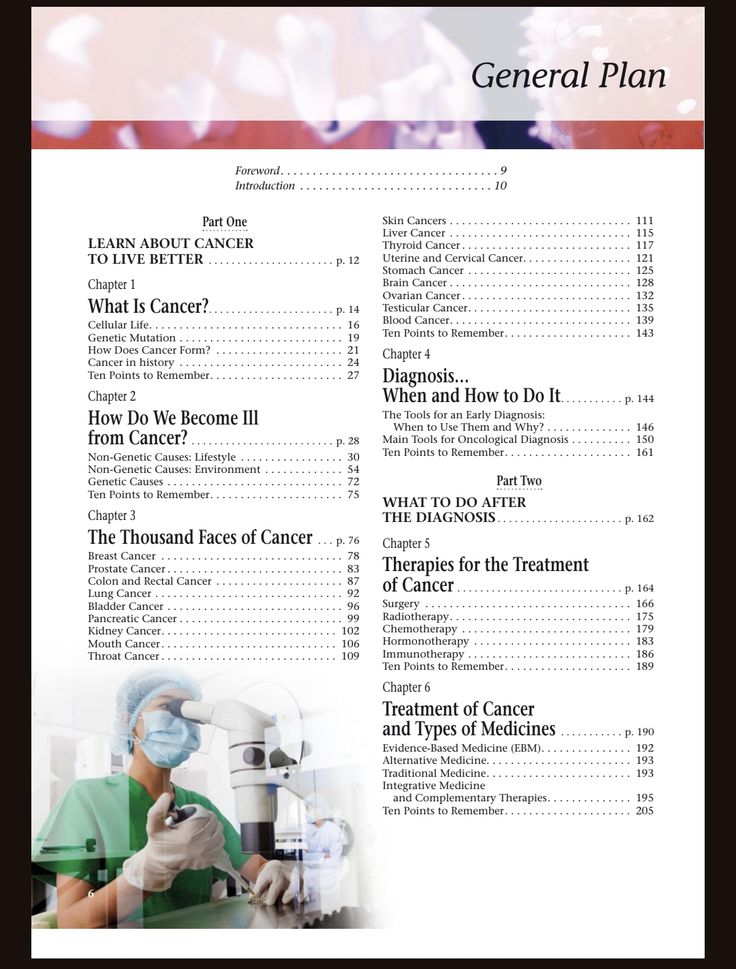
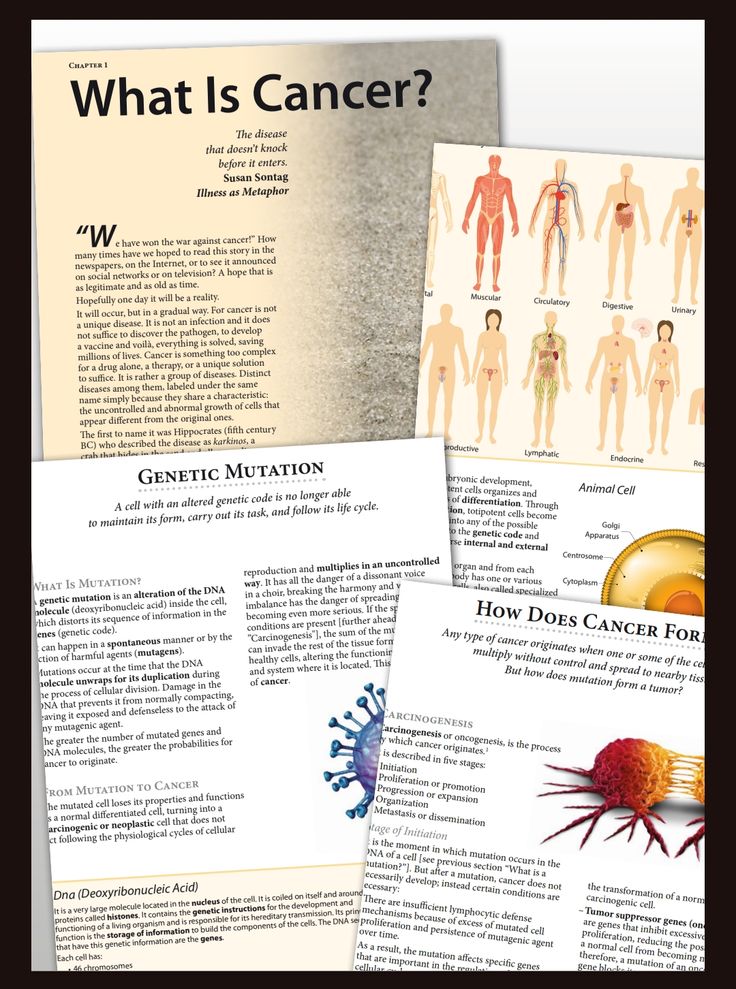
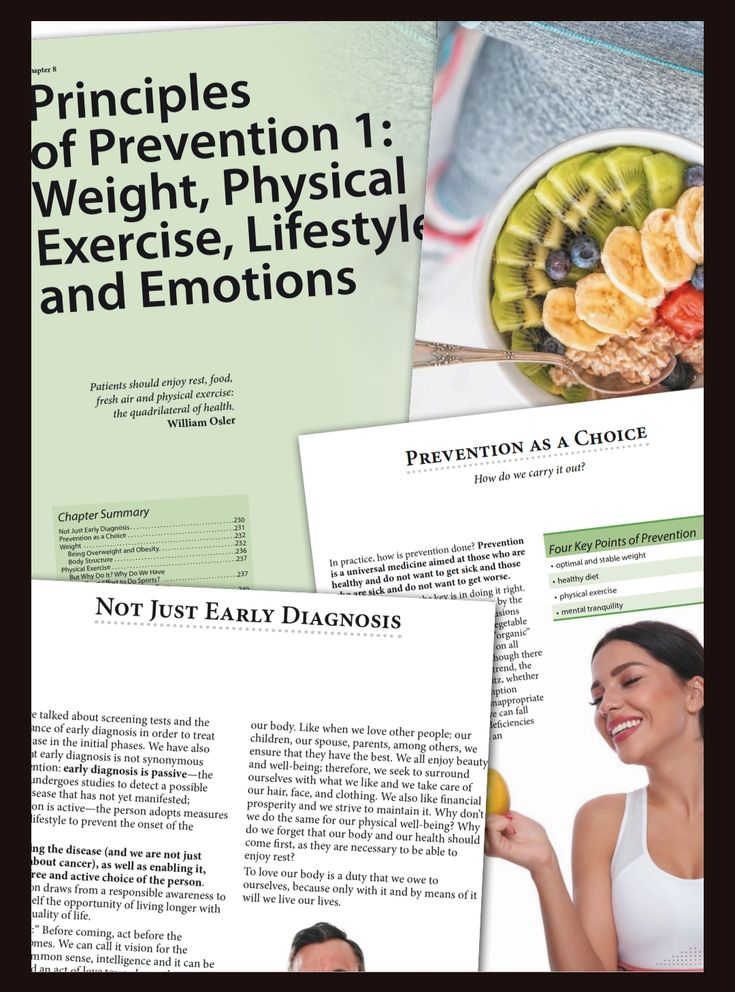
- The most common cancer risk factors and how they work
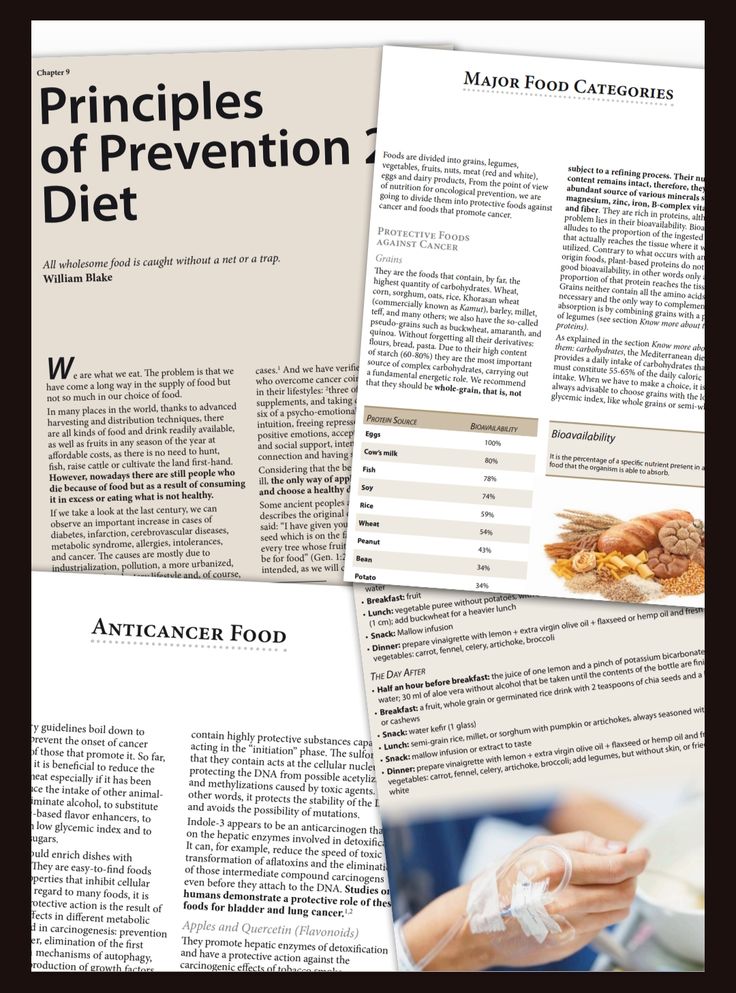
- Prevention strategies supported by research
- Recognising early warning signs
- Understanding a diagnosis and treatment options
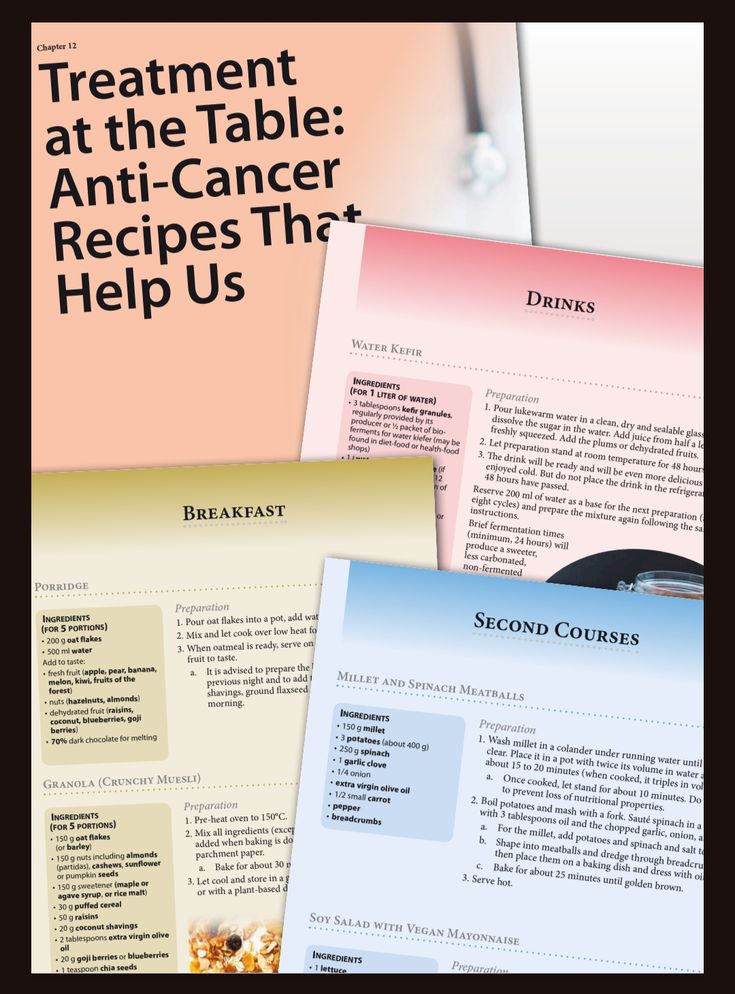
- Nutrition and lifestyle during treatment
- Support for families and caregivers
Who this book is for
This is for anyone with cancer in their family history, anyone recently diagnosed, and the people caring for them. It is also used by health ministry teams, where cancer is one of the questions people bring most often.
It is a guide, not a treatment plan. Read it alongside medical care, not instead of it.
About the author and publisher
Dr. Raniero Facchini wrote this title for Editorial Safeliz, whose illustrated health reference works are distributed through Adventist health ministries across Africa, Europe and Latin America.
Cancer sits in our Health & Nutrition range alongside Diabetes and Healthy Foods.
Questions about this book
Is this a medical textbook?
No. It is written for patients and families, with the medicine explained rather than assumed.
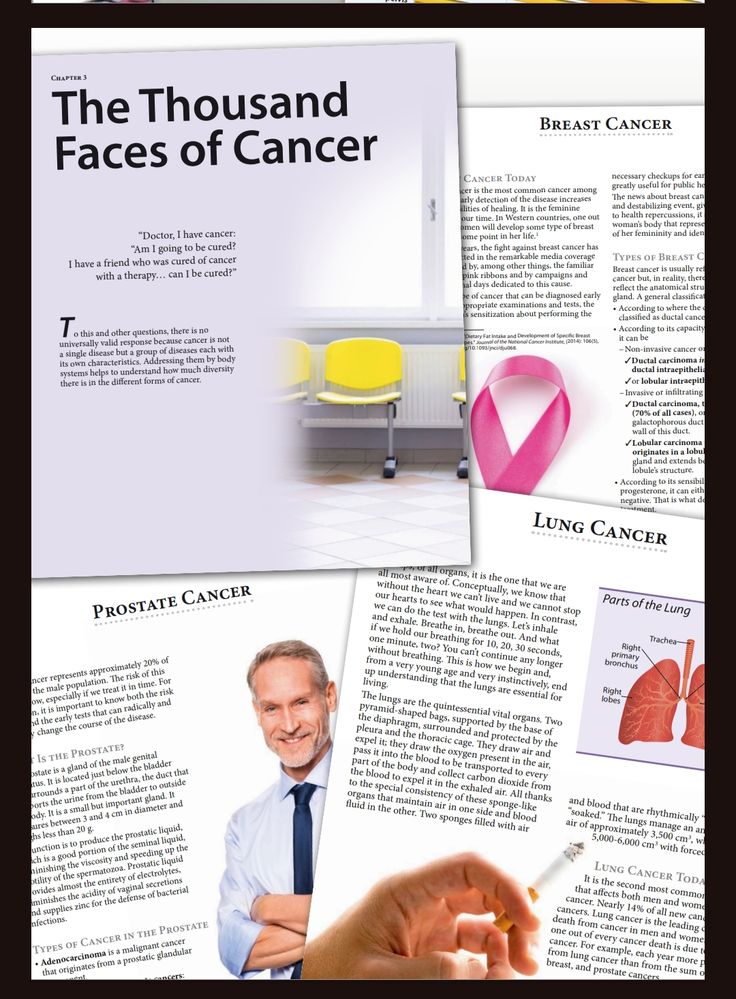
Does it cover specific cancers?
It covers the common types and their risk factors, with the emphasis on prevention and early detection across all of them.
Is it useful after a diagnosis?
Yes. A substantial part of the book is about coping with the disease and supporting treatment, not only avoiding it.
Does it promote alternative treatment?
No. It supports conventional treatment with nutrition and lifestyle, and is clear about the difference.
Can it be used in health seminars?
Yes. It is a standard reference for community health programmes.