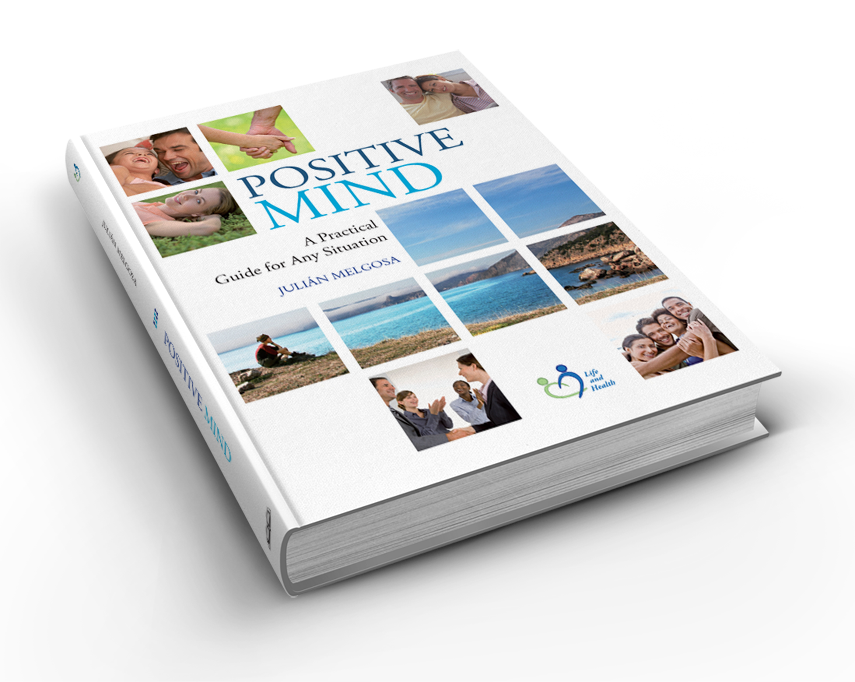
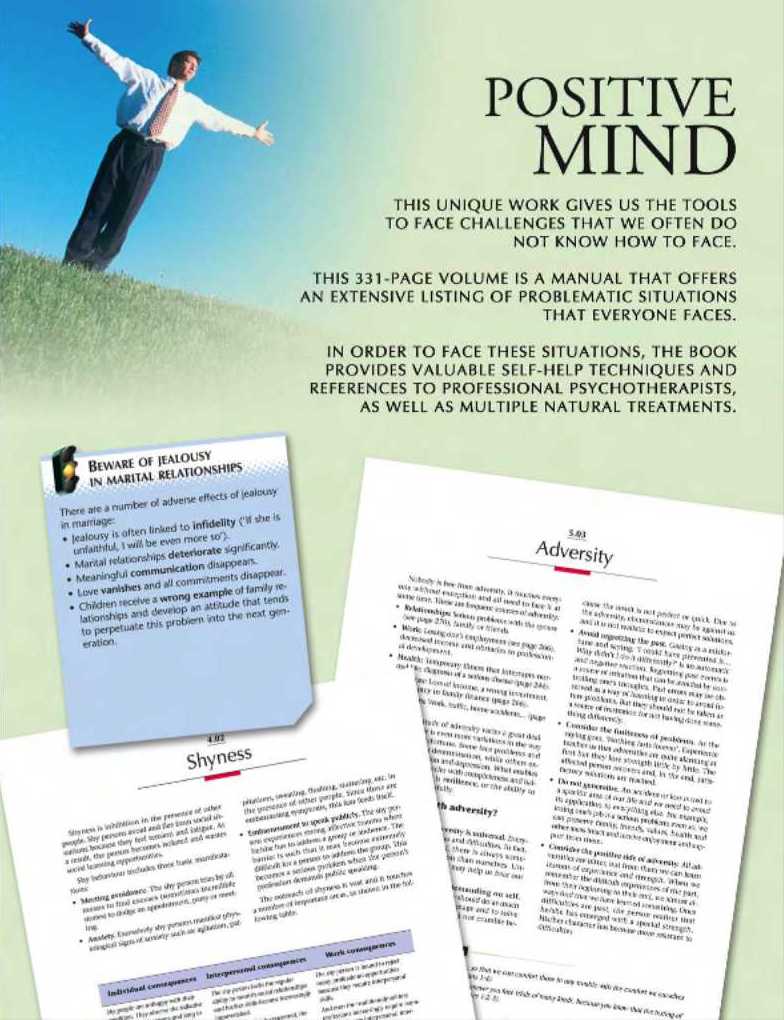
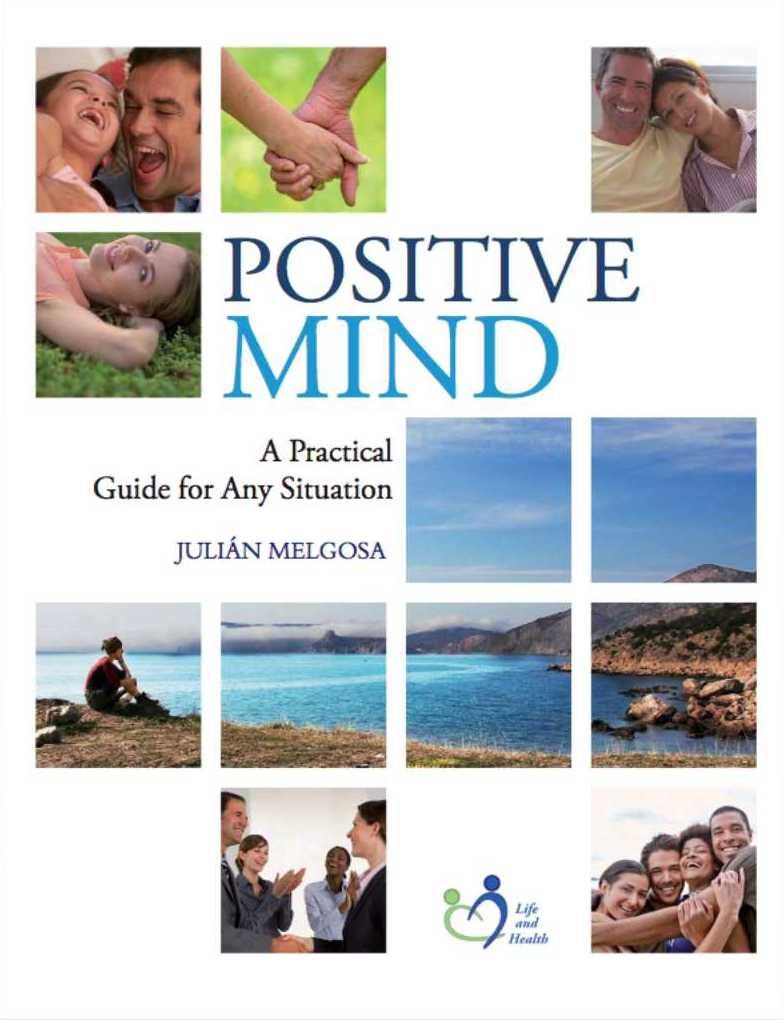
Positive Mind is Dr. Julián Melgosa’s practical guide to building a healthier, more resilient mindset. It works through the difficulties people commonly face — stress, conflict, disappointment, loss, uncertainty — and gives specific tools for each, on the principle that how we respond decides more than what happens.
What’s inside Positive Mind
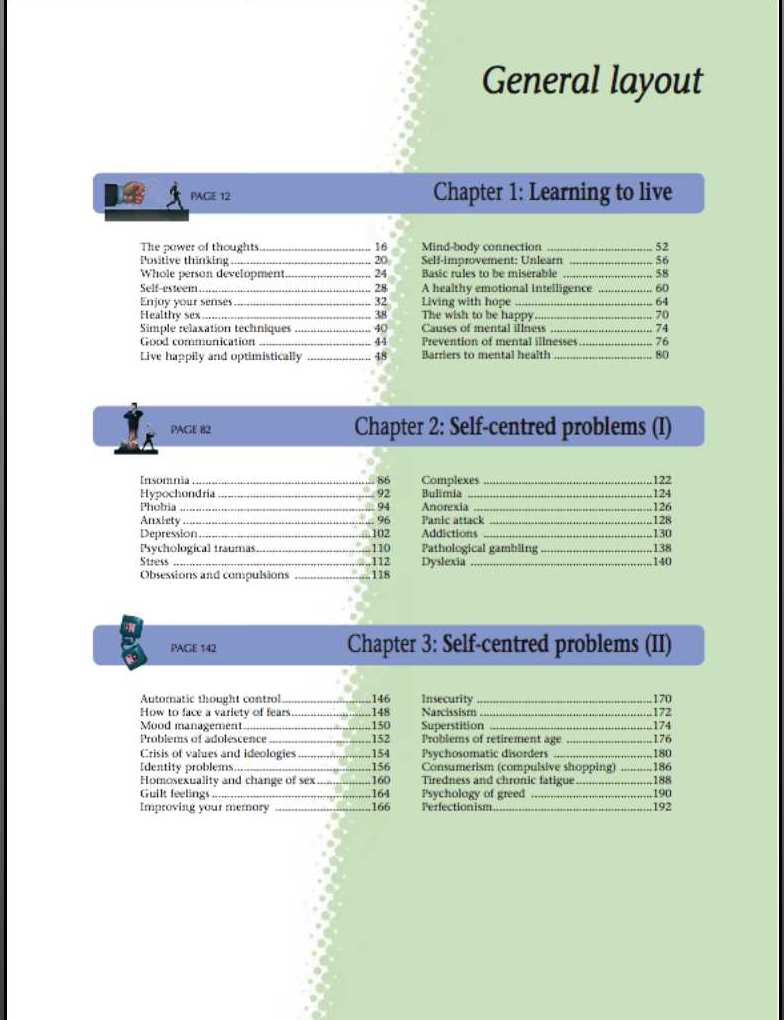
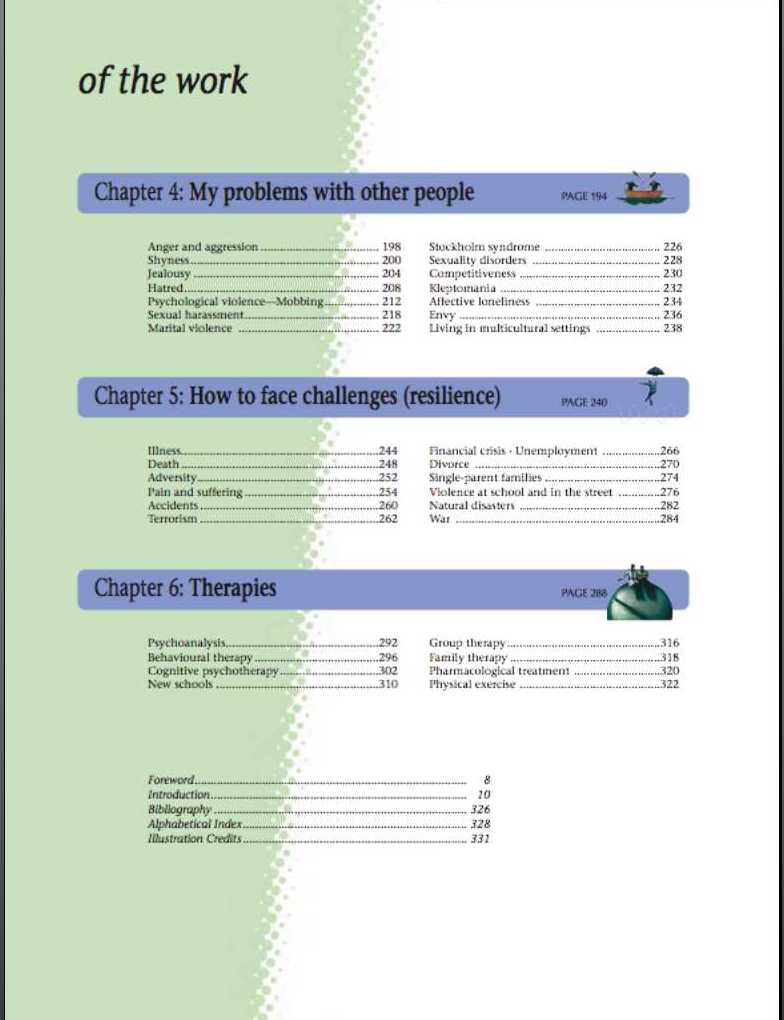
The book’s structure follows life rather than psychology. Instead of chapters on theory, it takes the situations people actually land in and asks what a balanced response looks like. Melgosa draws on years in education and clinical psychology, but the writing stays close to the ground.
The prologue makes the book’s honest claim: it will not remove pain from life, but it can stop adversity from taking over. That is the bar throughout — usable, not miraculous.
- Developing a balanced outlook that survives bad weeks
- Practical strategies for stress and adversity
- Strengthening emotional resilience over time
- Understanding human behaviour and decision-making
- Maintaining mental and emotional wellbeing
- Handling the personal challenges that come up most
Who this book is for
This suits anyone carrying more than they feel able to, and anyone who wants tools rather than reassurance. It is used by counsellors, chaplains and health ministry teams, and it is one of the titles most often bought for someone else.
It is not a clinical text. Someone in crisis needs a person, not a book; this is for the long work of building a steadier mind.
About the author and publisher
Dr. Julián Melgosa is a psychologist and educator whose Safeliz titles on emotional health are among the most widely distributed in Adventist publishing. He writes from clinical and teaching practice rather than theory. Published by Editorial Safeliz.
Positive Mind sits in our Health & Nutrition range alongside Cracking the Stress Problem and Enjoy Life.
Questions about this book
Is this a psychology textbook?
No. It is written for general readers, with the psychology explained in plain language and applied to real situations.
Is it Christian?
Yes, though the tone is practical rather than devotional. Faith is treated as a resource for resilience, not a substitute for the work.
Does it cover anxiety and depression?
It covers stress, worry and low mood as everyday experiences. It is not a treatment guide for clinical conditions, and it says so.
Is it a long read?
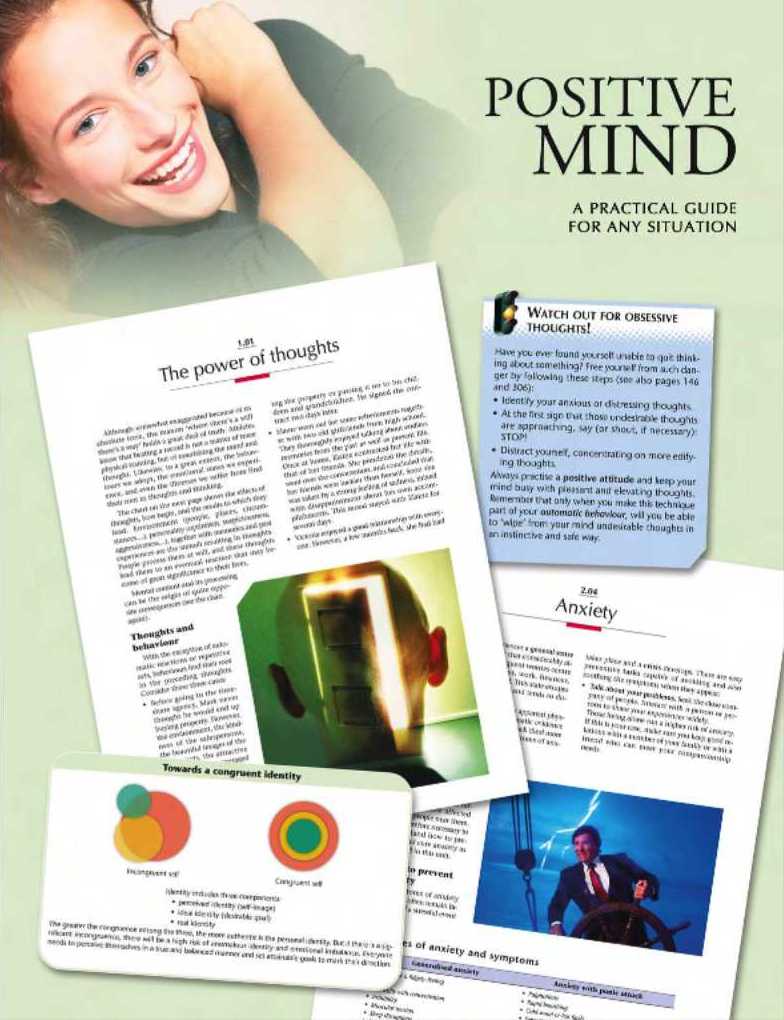
It is a substantial illustrated hardcover, built to be returned to by section rather than read in one go.
How is it different from Enjoy Life?
Both are Melgosa titles. Positive Mind is about the mind under pressure at any age; Enjoy Life is specifically about thriving in later life.